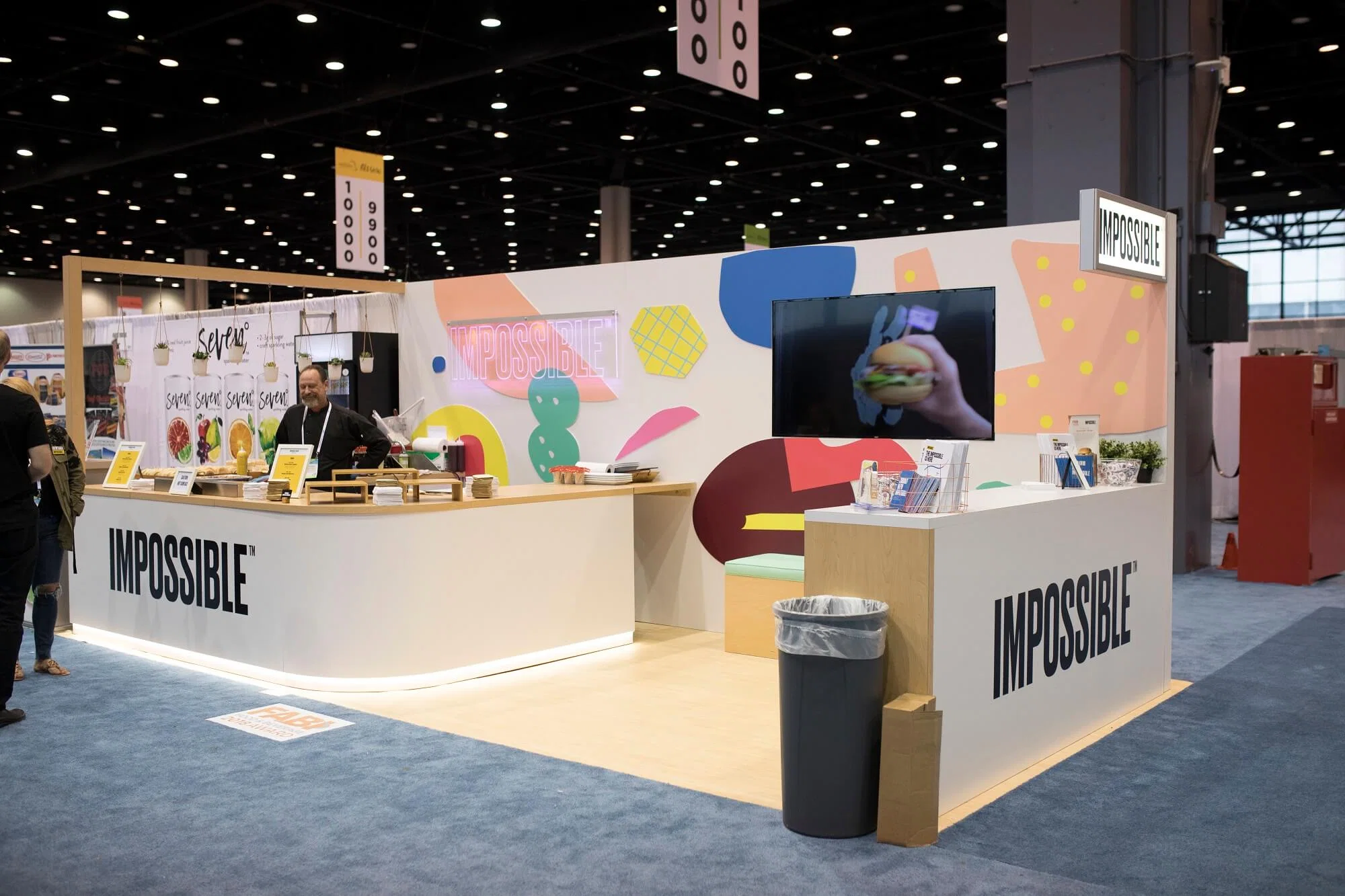
Experience Columbia says Columbia Metropolitan Convention Center can handle more than 450 trade show booths or seat more than 4,500 attendees.
This guide focuses on the documented market conditions that shape experiential pop-up environments in Columbia, SC, with emphasis on venue-specific planning rather than venue-specific planning.
Execution priorities
- Experiential Pop-Up Environments planning tied to freight timing, staging, and service handoffs
- Experiential Pop-Up Environments documentation reviewed against venue-specific paperwork and utilities
- Experiential Pop-Up Environments schedule designed around show-floor pressure instead of generic assumptions
Experiential Pop-Up Environments starts with venue-specific planning in Columbia
Experience Columbia says the market spans 535,000 square feet of meeting space, including a 142,500-square-foot convention center.
Experience Columbia says Columbia Metropolitan Convention Center can handle more than 450 trade show booths or seat more than 4,500 attendees.
- Columbia Metropolitan Convention Center: Primary Columbia-market venue for exhibit halls, citywide meetings, conventions, sponsor areas, and general-session-driven trade show work.
Where experiential pop-up environments changes between downtown, hotel, and regional expo work
USC and Assembly Street Corridor adds another layer of planning because This cluster matters for university events, alumni programs, campus-adjacent conferences, and student-facing brand work.
BullStreet and Northeast Growth Corridor matters as well because BullStreet and the northeast side support ballpark events, medical growth, residential expansion, and suburban buyer demand.
Experiential Pop-Up Environments and the actual buildings that shape the Columbia market
Colonial Life Arena changes the plan again because Useful when a convention week needs an arena-scale keynote, public-show component, premium club function, or large sponsor reception near USC and the convention district.
That is why experiential pop-up environments in Columbia should be treated as a venue-driven coordination problem, not a generic line item.
- Columbia Metropolitan Convention Center: convention_center
- Colonial Life Arena: arena
- Pastides Alumni Center: conference_center
- Columbia Marriott: conference_hotel
Documentation, labor positioning, and service handoffs
million pounds of cargo throughput.
That is especially important for experiential pop-up environments because late assumptions about utilities, hanging elements, room resets, or material handling usually turn into avoidable friction once the floor opens.
- Check the current exhibitor manual or venue planning packet
- Map service-provider handoffs before the move-in window starts
- Treat overnight resets and multi-day maintenance as separate workstreams when needed
How to scope experiential pop-up environments without flattening the market
Experiential Pop-Up Environments is more dependable when the scope is designed around the actual building, district, and event behavior instead of a generic citywide checklist. A downtown convention-center plan should not be priced or sequenced the same way as a Westshore hotel general session or a Florida State Fairgrounds consumer expo.
That is how experiential pop-up environments becomes predictable even when the show environment is not.
Frequently Asked Questions About Experiential Pop-Up Environments in Columbia
Why does experiential pop-up environments need venue-specific planning in Columbia?
Because the Columbia Metropolitan Convention Center, connected hotel campuses, and regional expo properties each operate with different access paths, service-provider structures, and timing constraints that directly change the support plan.
What should be confirmed before scheduling experiential pop-up environments?
Venue name, dates, footprint, current exhibitor manual or event planning packet, freight assumptions, utility needs, and any hanging or overnight reset requirements should all be confirmed before the sequence is locked.
How do downtown and fairgrounds work differ?
Downtown convention-center work tends to emphasize tighter coordination around building services, connected hotels, and waterfront access, while fairgrounds and regional expo campuses usually shift the plan toward larger staging zones, different routes, and heavier access management.
Does this guidance assume one fixed local operating model?
No.