Why is event types handled differently by venue?
Because venue manuals, load access, utility rules, and labor pathways vary from property to property, especially across convention centers, hotel campuses, and fairgrounds facilities.
Columbia requires venue-aware event types planning that distinguishes between downtown convention work, hotel programs, suburban meeting belts, and regional expo campuses.
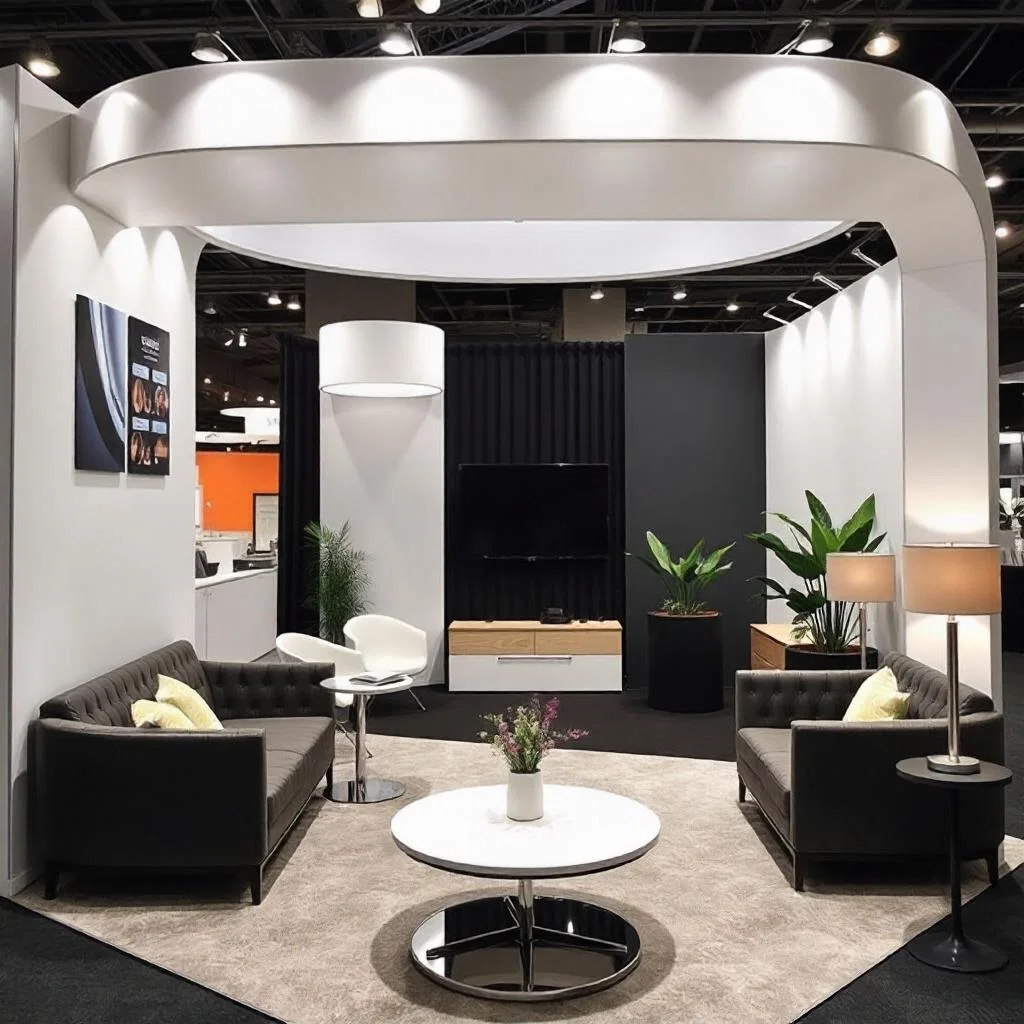
Trade Show Services event type keeps the plan tied to venue timing, freight, labor, graphics, and the live show sequence instead of a standard layouts.
Open sectionEvent TypeConference Services event type keeps the plan tied to venue timing, freight, labor, graphics, and the live show sequence instead of a standard layouts.
Open sectionEvent TypeExpo Services event type keeps the plan tied to venue timing, freight, labor, graphics, and the live show sequence instead of a standard layouts.
Open sectionEvent TypeConvention Services event type keeps the plan tied to venue timing, freight, labor, graphics, and the live show sequence instead of a standard layouts.
Open sectionEvent TypeProduct Launch Services event type keeps the plan tied to venue timing, freight, labor, graphics, and the live show sequence instead of a standard layouts.
Open sectionEvent TypeBrand Activation Services event type keeps the plan tied to venue timing, freight, labor, graphics, and the live show sequence instead of a standard layouts.
Open sectionEvent TypeCorporate Event Services event type keeps the plan tied to venue timing, freight, labor, graphics, and the live show sequence instead of a standard layouts.
Open sectionEvent TypeRoadshow Services event type keeps the plan tied to venue timing, freight, labor, graphics, and the live show sequence instead of a standard layouts.
Open sectionEvent TypeSponsorship Activation Services event type keeps the plan tied to venue timing, freight, labor, graphics, and the live show sequence instead of a standard layouts.
Open sectionEvent TypePop-Up Event Services event type keeps the plan tied to venue timing, freight, labor, graphics, and the live show sequence instead of a standard layouts.
Open sectionEvent TypeAnnual Meeting Services event type keeps the plan tied to venue timing, freight, labor, graphics, and the live show sequence instead of a standard layouts.
Open sectionEvent TypeAssociation Event Services event type keeps the plan tied to venue timing, freight, labor, graphics, and the live show sequence instead of a standard layouts.
Open sectionEvent TypeGovernment Meeting Services event type keeps the plan tied to venue timing, freight, labor, graphics, and the live show sequence instead of a standard layouts.
Open sectionExperience Columbia says the market spans 535,000 square feet of meeting space, including a 142,500-square-foot convention center.
Experience Columbia says Columbia Metropolitan Convention Center can handle more than 450 trade show booths or seat more than 4,500 attendees.
Experience Columbia says the market spans 535,000 square feet of meeting space, including a 142,500-square-foot convention center.
Experience Columbia says Columbia Metropolitan Convention Center can handle more than 450 trade show booths or seat more than 4,500 attendees.
Event Types decisions rarely fail because the tactic is wrong in theory. They fail because the venue, load path, labor paperwork, or overnight reset requirement was treated like a generic market constant instead of a building-specific condition.
The pages in this section are organized to help exhibitors and planners match scope to the actual venue behavior, district traffic, and timeline pressure described in the source material for Columbia, SC.
The Columbia Metropolitan Convention Center cluster concentrates waterfront convention traffic, show-floor utilities, and connected hotel demand around Water Street and the downtown core. Hotel-led work in Westshore and Rocky Point often behaves more like fast room-set conversion than giant-hall buildout. Fairgrounds work shifts the emphasis again toward access control, larger footprints, and multi-building movement.
That is why this section does not flatten the market into a single citywide process. Each page keeps the venue and district context visible so schedules, staging, and support assumptions stay realistic.
Every page in this section is anchored to documented venue facts, official destination resources, and market research signals rather than filler copy. When a hard fact was not available in the bundle, it was left out instead of improvised.
That keeps the section useful for real planning, especially when stakeholders are comparing downtown venues, airport-adjacent hotels, and regional expo campuses that look similar on a map but behave very differently on show week.
Because venue manuals, load access, utility rules, and labor pathways vary from property to property, especially across convention centers, hotel campuses, and fairgrounds facilities.
The practical differences are usually freight routing, available staging space, venue-run service structures, and whether the event behaves like a convention-floor program, a ballroom conversion, or a regional expo.
No. the guidance stays venue-driven and market-specific so the scope can flex around the actual building, event format, and published operating rules.
Venue name, dates, exhibitor manual or venue planning packet, booth or room footprint, freight assumptions, and any requirements for utilities, hanging elements, or overnight turnovers.
Use the pages in this section to line up the right scope, paperwork, staging sequence, and support assumptions before move-in starts compressing decisions.